
What Does the Bible Say About Depression

What is the Root Cause of Depression in the Bible?
When people ask “what does the Bible say about depression,” they’re often asking more than one question at once. They’re asking whether their pain is real, whether God cares, and whether their church language has been too small for what they’re actually living through. That matters because a lot of people have heard versions of “choose joy,” “rejoice anyway,” or “you just need more faith” for so long that they’ve started to wonder whether depression automatically means something is spiritually wrong with them. Scripture is more careful than that.
The Bible doesn't present one single root cause for depression-like suffering. Instead, it shows deep emotional distress connected to grief, fear, trauma, isolation, oppression, exhaustion, guilt, physical depletion, and crushing circumstances. Job suffers without personal sin causing it. Elijah collapses after prolonged stress and fear. David describes inner despair even as he turns toward God. Paul says he was under such pressure that he despaired of life itself. So when we ask “what does the Bible say about depression,” one faithful answer is this: the roots may vary, and Scripture leaves room for that complexity instead of flattening everything into “you sinned” or “you need better thoughts.” If you want a broader companion read that helps frame the inner life biblically, Bible Scriptures on Mental Health is a strong next step.
That’s also why a nuanced answer matters so much. The Bible treats people as whole persons. Mind, body, emotions, spirit, and circumstances all matter. So depression shouldn't be reduced to weak faith, spiritual failure, or some automatic sign of rebellion. Scripture gives a bigger, more honest picture than that. And that bigger picture is actually good news, because it means your suffering doesn't have to fit into a shallow explanation for God to care about it. If you’re new to Grateful Heart Company and want more faith-rooted support for the inner life, you can start on our homepage.
What is Depression?
Before answering what does the Bible say about depression in theological terms, it helps to say what depression actually is. Depression is more than a rough week, more than disappointment, and more than feeling off for a little while. It can show up as sadness, numbness, hopelessness, exhaustion, irritability, lack of motivation, trouble concentrating, loss of interest, or the sense that even simple tasks now feel heavier than they should. Some people cry a lot. Some feel flat instead. Some keep functioning outwardly while quietly feeling like everything inside has gone dim. If you want to see how this can intersect with a specific season of suffering, what does the Bible say about postpartum depression is a strong companion read.
That’s one reason this conversation needs care. The Bible doesn't use the modern clinical word depression, but it absolutely speaks about heaviness, despair, brokenheartedness, troubled thoughts, and emotional collapse. In other words, what does the Bible say about depression isn't a modern question being forced onto ancient text. Scripture already contains the categories people need, even if the vocabulary is older. If you’re trying to sort through how gratitude fits into a hard season without turning it into fake positivity, Do Gratitude Journals Work can help you think that through more honestly.
What are the symptoms of depression?
Symptoms of depression can include deep sadness, emptiness, loss of interest, fatigue, hopelessness, changes in sleep or appetite, trouble focusing, irritability, and the sense that everything feels heavier than it should. Some people cry a lot. Some feel numb instead. Some still function outwardly while carrying a quiet collapse internally. That’s part of why this topic needs care. Not everyone looks obviously distressed. When people ask “what does the Bible say about depression,” they are often bringing real symptoms into that question, not just abstract theology. If it helps to start with one honest question instead of forcing gratitude too quickly, How Do You Answer 'What Are You Grateful For” can be a gentler place to begin.
What Does God Say About Depression?
At the heart of the question “what does the Bible say about depression” is God’s posture toward suffering. Scripture doesn't show God mocking weakness, shaming pain, or acting embarrassed by human limitation. Instead, it shows Him drawing near to the brokenhearted, acknowledging anxious thoughts, and welcoming the weary. Psalm 34:18 says the Lord is close to the brokenhearted. Psalm 94:19 says God’s consolation meets a person when anxious thoughts multiply. Matthew 11:28-30 records Jesus inviting weary and burdened people to come to Him for rest. That isn't the voice of a God who says, “Get yourself together first.” It's the voice of a God who knows the burden is real and doesn't add more weight to it.
That point gets even sharper in 1 Kings 19. Elijah is burnt out, afraid, isolated, and asking God to let him die. God’s first response isn't a rebuke. It's food, water, sleep, and gentle presence. That should shape how Christians answer what does the Bible say about depression. God recognizes human limits. He cares about the whole person. He doesn't answer despair with contempt. He answers it with presence, provision, and truth. If you want language to pray with your family when suffering touches more than one person at a time, Christian Prayers for Family Strength may be useful, too.
Why is depression considered a sin?
Strictly speaking, the Bible doesn't teach that depression itself is a sin. Scripture distinguishes between sinful responses and human suffering. A person may sin in the middle of depression, just as a person may sin in any season of pain, but the emotional state itself isn't automatically rebellion against God. Many faithful people in Scripture experience despair, exhaustion, anguish, and fear. Treating depression as sin by default goes further than the Bible does, and it places shame where Scripture doesn't. So if someone asks “what does the Bible say about depression,” and means, “Does God count this against me?” the safest biblical answer is no. If you want to think about how truth-based reminders fit into hard seasons without becoming shallow platitudes, “Are Affirmation Cards Worth It?" is a helpful read.
Examples of Depression in the Bible.
One reason the answer to the question “What does the Bible say about depression?” matters so much is that Scripture offers examples rather than vague principles alone. Elijah is one of the clearest. After a major victory, he becomes afraid, runs into isolation, and asks God to let him die. That isn't mild discouragement. It collapses after prolonged pressure. God doesn't respond by accusing Elijah of weak faith. He restores him with sleep, food, and water, and then speaks to him. Job gives another example. In Job 3, he curses the day of his birth after devastating loss, physical suffering, and social collapse. Scripture doesn't present his pain as small or as proof that he has become spiritually unserious.
David’s psalms also matter here. In Psalm 42, he speaks to his own downcast soul because his thoughts are so heavy. In Psalm 55, he describes terror, dread, and the desire to run away. Paul says in 2 Corinthians 1:8–9 that he was under such pressure that he despaired of life itself. Taken together, these examples show that what the Bible says about depression isn't “real Christians never feel this way.” It's that faithful people can experience deep emotional suffering without being abandoned by God. If you’re looking for a church community that makes room for real life instead of polished performance, Bible-Based Christian Church in Kansas City may help you think about what healthy support can look like.
Who in the Bible suffered from severe depression?
Before naming people, it helps to be careful: the Bible doesn't hand out modern diagnoses, so we shouldn't pretend it does. Still, several biblical figures describe distress so severe that modern readers immediately recognize its depth.
Elijah
In 1 Kings 19:4, Elijah becomes so overwhelmed that he asks God to let him die. His despair comes after intense pressure, fear, and exhaustion. What makes this so important isn't only the severity of his collapse, but the way God responds. He gives Elijah rest and provision before giving direction. That doesn't solve every question around diagnosis, but it does show that severe emotional distress isn't foreign to biblical faith.
Job
In Job 3:1-26, Job curses the day of his birth and speaks with intense hopelessness. His suffering isn't caused by hidden personal sin. That matters because some Christians still try to flatten depression into punishment, when Job’s story pushes hard against that idea. Job’s anguish is real, and Scripture gives it space without reducing it to a simplistic lesson.
David
In Psalm 42:11 and Psalm 55:4-8, David describes a downcast soul, troubled thoughts, fear, and a desire to run away. His words sound like a man trying to hold on to truth while his inner life pulls hard in another direction. That’s one reason people keep returning to David when they ask, "What does the Bible say about depression?” He shows that deep emotional pain can exist alongside sincere faith.
Paul
In 2 Corinthians 1:8-9, Paul says he was under pressure beyond his ability to endure and despaired of life itself. That language matters because it shows emotional overwhelm isn't just the struggle of “weaker” believers. Even mature leaders can reach a point where life feels unbearably heavy. Scripture says that out loud, and that helps readers breathe.

What did Jesus do when he was depressed?
The Bible doesn't say Jesus was clinically depressed, and we’re not claiming he was either. What Scripture does say is that Jesus experienced deep sorrow, anguish, and emotional distress (Luke 22:44). In Matthew 26:37-38, He says His soul is overwhelmed with sorrow to the point of death. What does He do? He prays, stays near trusted companions, and submits Himself to the Father. That gives readers a faithful blueprint. When people ask “what does the Bible say about depression,” Jesus shows us at least this much: bring your emotions into the open, seek the Father earnestly, stay near your physical support system, and don't confuse sorrow with failure.
If you want a practical tool for holding prayers and honest thoughts together, our blog What Is a Prayer Journal? explains how one can help.
What does the Bible say about anxiety?
Depression and anxiety often travel together, so it’s not surprising that people asking “what does the Bible say about depression” are also asking about anxiety.
Philippians 4:6–7
Paul doesn't ignore anxiety. He tells believers where to take it: to God in prayer. The promise isn't instant control over circumstances, but peace that guards the heart and mind. That means anxiety isn't dismissed. It's redirected into a relationship with God.
1 Peter 5:7
Peter tells believers to cast their anxiety on God because He cares for them. That line matters because the command is relational. Anxiety isn't meant to be carried in total isolation. It's released into the care of a God who's attentive, not indifferent.
Psalm 94:19
This verse is one of the clearest biblical recognitions of internal mental distress. It speaks of many anxious thoughts within a person, then of God’s comfort meeting them. That isn't denial. It's a consolation in the middle of reality.
What does the Bible say about depression and anxiety?
Because depression and anxiety often overlap, these verses are especially helpful when both heaviness and inner unrest are at play.
Psalm 42:11
The psalmist speaks to his downcast soul while calling himself to hope in God. This shows that depression and anxious thoughts aren't denied in Scripture. They are named and then brought into conversation with truth.
Psalm 55:22
This verse invites people to cast their burdens on the Lord. The context is fear, betrayal, and emotional distress. It shows that God’s care reaches both outward trouble and inward strain. That is why it belongs in a serious answer to what does the Bible say about depression.
Matthew 11:28–30
Jesus invites the weary and burdened to come to Him for rest. That includes emotional and mental problems, not just physical tiredness. His response to distress is invitation, not condemnation.
What does the Bible say about depression and loneliness?
Depression often feeds loneliness, and loneliness often deepens depression. So this part of the question matters too.
Psalm 25:16–18
David asks God to turn to him because he feels lonely and afflicted. Scripture doesn't treat loneliness as small. It can deepen sorrow and make suffering feel heavier. This verse gives lonely pain a place in prayer.
Psalm 68:6
God is described as the one who sets the lonely in families. That doesn't mean loneliness disappears instantly, but it reveals God’s heart toward the isolated. He moves toward them, not away from them. If part of your healing requires a healthy church community, the Bible-Based Christian Church in Kansas City may help you consider what that support can look like.
2 Timothy 4:16–17
Paul says everyone deserted him at first, yet the Lord stood by him. This is a strong verse for people who feel abandoned. Human loneliness is real, but divine absence isn't the same thing.
What does the Bible say about depression and mental illness?
Understanding what the Bible says about depression and mental illness is one area where Christians have often needed more humility. The Bible doesn't use modern diagnostic categories, but it does speak earnestly to the inner life.
Psalm 139:23–24
This passage shows that inner thoughts and distress matter to God. It invites honest self-examination in God’s presence, which fits a careful, non-shaming approach to mental illness. God isn't only interested in behavior. He searches the heart.
Romans 12:2
The renewing of the mind is a biblical theme, but this verse shouldn't be weaponized as if better thoughts solve all mental illness. It speaks to transformation, not simplistic cures.
2 Corinthians 1:8–9
Paul’s language about despairing of life itself helps readers see that the Bible takes intense mental and emotional suffering seriously. Scripture doesn't trivialize this kind of pressure. It names it.
What Does the Bible Say About Depression Medication?
The Bible doesn't directly mention antidepressants, mood stabilizers, or modern psychiatric medication. So the safest answer to what does the Bible say about depression here is that Scripture doesn't forbid them. Instead, it presents human beings as embodied souls. Rest matters. Food matters. Care matters. Wisdom matters. That means Christians should be cautious about drawing hard conclusions where the Bible is silent. Medication shouldn't automatically be framed as the opposite of trusting God.
A helpful biblical principle is that God often works through ordinary means. Elijah’s restoration begins with food, water, sleep, and presence. The wounded man in Luke 10 receives practical care. Paul gives Timothy ordinary bodily advice in 1 Timothy 5:23. None of those are direct statements about depression medication, but they do show that practical treatment isn't the enemy of faith. For some people, medication may be one part of wise care under good medical guidance. If you want a quiet place to process what God is teaching you in the middle of treatment, a Christian gratitude journal can support that without pretending journaling replaces help.
Prayers for Depression
Biblical prayer for depression isn't about sounding polished. It's about bringing real pain to God, honestly. That matters because many depressed people struggle to pray in neat, churchy language. The Psalms are full of prayers that sound raw, confused, exhausted, and deeply sad. Those aren't faithless prayers. They are biblical prayers. So when we ask “what does the Bible say about depression,” we shouldn't answer as if prayer has to sound emotionally tidy to count.
Prayers for depression can ask for comfort, clarity, strength, peace, healing, wisdom, and help to endure. Romans 8:26 matters here because it says the Spirit helps in weakness when words fail. That means a person doesn't need to sound spiritually impressive for their prayer to be real. At the same time, prayer should never be used as an excuse to reject support, wisdom, or care. It opens suffering to God while trusting Him to sustain and guide through appropriate means. If you need a place to put those prayers without performing, our prayer journal was built for exactly that.
3 Prayers for depression caused by medication
When depression feels tangled up with medication, side effects, dosage changes, or the discouragement of not knowing what is helping yet, prayer shouldn't pretend the process is simple. These prayers ask for wisdom, honesty, patience, and peace in the middle of treatment decisions.
Prayer 1
God, You know my mind, my body, and every part of this process better than I do. Please give me wisdom as I make treatment decisions and talk honestly with the people helping me. When I feel discouraged, foggy, or worn down by the trial-and-error of it all, remind me that needing care isn't a lack of faith. Give me patience in the waiting, peace in the uncertainty, and the courage to keep telling the truth about how I’m doing. In Jesus’ name I pray, amen.
Prayer 2
Lord, I’m tired of feeling unsure about what’s helping and what isn’t. Please steady me in the middle of this. Help me to not spiral when the process feels slow or frustrating. Give me clarity with doctors, honesty in my own reporting, and wisdom for each next step. Keep me from shame, fear, and the pressure to act stronger than I am. Be my peace while I sort through what wise care looks like right now. In the name of Jesus, amen.
Prayer 3
Heavenly Father, You know my body and mind better than I do. Please give me wisdom as I navigate treatment, side effects, questions, and next steps. Help me be honest with my doctor, patient in the process, and steady in the middle of discouragement. When I feel frustrated or frightened, remind me that seeking help isn't a lack of faith. Give me peace, clarity, and the courage to keep walking wisely. In the name of Jesus, amen.
3 Prayers for seasonal depression
Seasonal depression can make familiar routines feel heavier, light feel farther away, and energy feel harder to find. These prayers ask God to be steady when emotions shift, low energy lingers, and the season itself feels like part of the struggle.
Prayer 1
Father, this season feels darker than I want it to, and I can feel that heaviness settling over me. Please be light where my thoughts feel dark and strength where my energy feels low. When I’m tempted to give up on the day before it has even really started, remind me that You’re still present, still constant, and above all, still good. Help me receive this day as it's, not as I wish it were, and stay close to me in the middle of it. In Jesus’ precious and mighty name, amen.
Prayer 2
God, when my emotions shift with the season, and I feel more fragile than usual, keep me grounded in what is true. Be my courage when I feel withdrawn, my anchor when everything feels like it comes in crashing waves, and my hope when I can’t feel much of it for myself. Help me not to confuse this heaviness with abandonment. You haven’t left me, and I need You to keep reminding me of that. Thank You, God, for always being with me. In Jesus’ name, amen.
Prayer 3
Lord, some seasons feel darker than others, and right now I feel that heaviness. Strengthen me when I feel worn down, and help me not disappear into my darker thoughts. Keep me rooted in what is true even when my emotions shift. Thank You for being enduring when I don’t feel planted. In Jesus’ name I pray, amen.
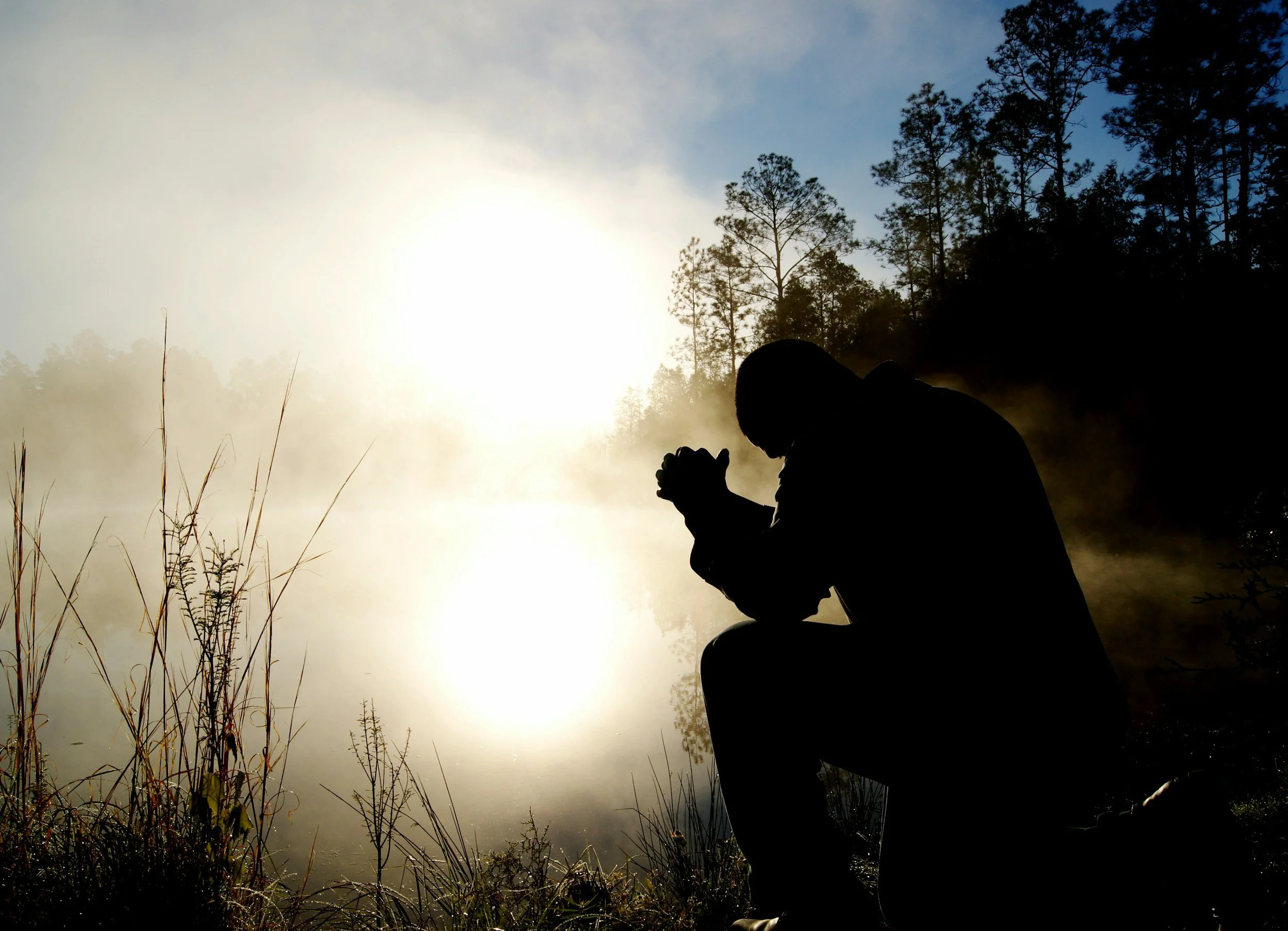
3 Prayers for persistent depression
Persistent depression can wear a person down in a way that’s hard to explain, especially when the struggle has lasted so long it feels like hope itself is tired. These prayers are for the person who needs God to stay close, help them keep going, and remind them they have not been left alone in a fight that has not ended quickly.
Prayer 1
Lord, this has lasted longer than I wanted, and I’m tired in ways I don’t even know how to explain. Please give me daily mercy, not just distant hope. Help me keep going when nothing feels dramatic enough to call progress, but everything still feels hard. Remind me that Your care isn't weaker because this has been going on a long time. Hold me together on the days when all I can do is make it through the next hour. Amen.
Prayer 2
God, I need endurance for a pain that hasn’t lifted as quickly as I hoped. Keep me from despair, from hiding, and from giving up on receiving help. Send me people who won’t rush me, shame me, or try to explain me away. Keep calling truth back to mind when my thoughts tell me nothing will ever change. Thank You that Your mercy doesn't run out before my need does. Amen.
Prayer 3
Father, this has lasted longer than I wanted, and I’m tired. Please give me daily mercy, not just big-picture hope. Help me keep going when I feel worn down by how long this has taken. Send support, wisdom, and people who won't rush me or shame me. Remind me that You have not left me, even here.
3 Prayers for managing bipolar disorder or major depressive disorder
Living with bipolar disorder or major depressive disorder can feel disorienting, exhausting, and hard to explain, especially when your mind doesn't feel like you. These prayers are for the person trying to stay grounded, ask for help, and trust God in the middle of a struggle that may not feel simple or quick to fix.
Prayer 1
God, You see the full picture of what I’m carrying, even when I don’t understand it myself. Please give me wisdom, steadiness, and good care as I live with something that affects so much of my inner world. Help me be honest about what I’m feeling and open to the support I need. Protect me from shame, confusion, and the lie that I have to manage this alone. Be near to me in every low place and every uncertain stretch. Amen.
Prayer 2
Lord, when my mind feels unreliable, and my emotions feel bigger than my strength, please keep me anchored. Give me discernment in treatment, trustworthy people around me, and the humility to receive help when I need it. Search me, steady me, and remind me that weakness doesn't put me outside Your care. Thank You that Your presence isn't fragile and that Your help isn't reserved for people who look composed. Amen.
Prayer 3
God, You see the full picture of what I’m carrying, even when I can’t make sense of it myself. Please give me wisdom, steadiness, and good care as I manage what feels bigger than me. Help me be honest about what I’m feeling and open to receiving support from the right people. Protect me from shame and confusion, and stay near to me in every uncertain stretch.
If short, truth-based reminders would help, Christian affirmation cards can be a small source of support.
3 Prayers for managing manic episodes
Manic episodes can feel intense, disorienting, and hard to slow down once they start. These prayers are for the person asking God for calm, steadiness, protection, and support when everything inside feels loud or too fast.
Prayer 1
Father, when my mind feels fast, loud, and hard to settle, please bring calm and protection. Guard me from impulsive decisions, distorted thinking, and the kind of momentum that carries me further than I should go. Give the people helping me wisdom, patience, and courage to step in when needed. Help me receive support instead of resisting it. Bring truth where things feel scattered, and keep me safe in the middle of it all. Amen.
Prayer 2
God, I need Your help when I feel like I can’t slow myself down. Please give me a sounder mind, clearer judgment, and the willingness to listen to wise voices around me. Protect my body, my relationships, my choices, and my future from harm done in unstable moments. Remind me that asking for intervention isn't failure. it's one more way You care for me through the people and help You provide. Amen.
Prayer 3
Lord, when my mind feels fast, scattered, or hard to settle, please bring calm and protection. Guard me from impulsive choices and confusion. Give the people caring for me wisdom and patience. Help me receive support instead of resisting it. Bring truth where things feel distorted and steadiness where everything feels too loud.
3 Lies About Depression That the Bible Corrects
One of the hardest parts of depression is often not just the condition itself, but the false beliefs that grow around it. Many people have heard some version of “just have more faith,” “choose joy,” or “real Christians shouldn’t feel this way.” Those statements aren't grounded in a full reading of Scripture. Elijah asks to die. David writes openly about despair. Job curses the day of his birth. Paul admits to being overwhelmed beyond his ability to endure. These aren't tiny side notes. They directly correct simplistic theology. If you're trying to separate biblical gratitude from self-help language, How to Practice Gratitude and How to Start a Christian Gratitude Journal.
1. Lie: “If I had more faith, I wouldn’t feel this way.”
Scripture doesn't support that conclusion. Faith in the Bible isn't the absence of struggle. It's the decision to bring struggle to God. Elijah, David, and Paul all experienced intense distress while remaining faithful. Feeling depressed doesn't automatically mean someone lacks faith. It often means they are human and need support.
2. Lie: “God is disappointed in me for struggling.”
The Bible consistently shows God responding to suffering with compassion, not irritation. Psalm 34:18 says He is near to the brokenhearted. In 1 Kings 19, He gently restores Elijah instead of scolding him. That reveals God’s character clearly: He is attentive to weakness, not embarrassed by it.
3. Lie: “I just need to think positively.”
While the Bible does speak about renewing the mind, it doesn't reduce suffering to mindset alone. Positive thinking isn't the same as biblical truth. Scripture acknowledges real pain and then speaks truth into that reality. It doesn't demand that people skip over pain to sound upbeat. If you want to think more carefully about how biblical reflection differs from self-focused manifestation language, "How Do You Write a Gratitude Journal Manifestation?" can help clarify that distinction.
What Depression Can Distort (and What the Bible Re-centers)
Depression often changes how a person interprets reality. It can distort identity, relationships, purpose, and even a person’s sense of God. Scripture speaks into those distortions not by dismissing emotion, but by anchoring truth outside of it. That is why what does the Bible say about depression remains such an important question. Depression may shape perception, but it doesn't get to define what is ultimately true.
When depression says, “I’m alone.”
Depression often creates a strong sense of isolation, even when people are physically present. Scripture acknowledges that feeling but reframes it. In 2 Timothy 4:16–17, Paul says others abandoned him, yet the Lord stood by him. Loneliness can be real, but it's not the whole story. If part of depression for you is tangled up with family or parenting pressure, What Does the Bible Say About Parenting? And Faith-Based Activities for Children in Kansas City may help you think about support in the home.
When depression says, “Nothing will change.”
Hopelessness is one of depression’s strongest distortions. Lamentations 3 pushes back by showing a person move from remembering pain to calling truth to mind. Hope here isn't based on the feeling of the moment. It's grounded in who God is. That is why it can coexist with suffering. If you want a gentle, practical habit that helps keep truth in view over time, How to Keep a Gratitude Journal, How to Practice Gratitude, and How to Start a Christian Gratitude Journal can all help.
When depression says, “I don’t matter.”
Feelings of worthlessness often come with depression. Genesis 16:13 matters because Hagar, a marginalized and overlooked woman, names God as the one who sees her. That directly counters the lie of invisibility. Scripture repeatedly affirms that people are known, seen, and valued by God, even when they feel overlooked by others. If depression is touching family life, parenting, or even your sense of whether you can carry future responsibilities, how to teach kids gratitude, and even something as practical as a pregnancy planner checklist journal can remind you that planning for life and holding onto hope aren't off limits just because this season feels hard.
Bring It Into the Light
What does the Bible say about depression? It says despair is real, weakness isn't disqualifying, and God doesn't step back from people in emotional pain. Scripture leaves room for complexity. Depression can be tied to fear, grief, trauma, exhaustion, loneliness, or physical strain, and the Bible doesn't force all of that into one tiny explanation. Instead, it keeps pointing back to God’s presence, truthful lament, sustaining care, and hope that doesn't require pretending. If you want to explore where to begin next, Grow Your Faith can help you find a faith-rooted step that actually fits your season.
Pray Through Your Depression
Use a prayer journal to bring honest prayers into the light, one page at a time.